A few years ago, sensory integration was known mainly to pediatric neurologists and occupational therapists. Today, this topic is actively discussed by pediatricians, psychologists, educators, and parents across Europe. It is receiving particular attention in Poland, where prevention of developmental disorders has become an important part of modern pediatrics.
Why? Because it is precisely how a child’s brain perceives and processes signals from the surrounding world that determines their behavior, learning, concentration, coordination of movements, speech, and even their emotional state.
To explain what sensory integration is in simple terms, it is the brain’s ability to correctly receive information from the senses, analyze it, and form an adequate response. For most children, this process occurs naturally. But sometimes the system does not work quite correctly, and then it becomes more difficult for the child to interact with the world.
How our nervous system processes signals: simply about the complex
Every second, a child receives thousands of signals from the environment. He sees objects, hears sounds, smells, touches different surfaces, moves, changes body position. All this information comes to the brain through receptors. It literally in an instant decides what is important and what can be ignored.
This process is called sensory processing . If it works harmoniously, the child easily adapts to new situations, concentrates on activities, responds quickly to changes, and feels comfortable around other people.
In fact, sensory integration is a kind of “dispatcher” of our nervous system. It helps combine impulses from all receptors into a single understandable picture of the world.
That is why a child’s healthy nervous system is the basis not only for physical development, but also for speech, learning, socialization, and the formation of independence skills.
7 senses parents need to know about (not just sight and hearing)
Most people believe that there are only five senses. In fact, modern neurophysiology speaks of seven sensory systems that constantly interact with each other.
These include:
- vision;
- hearing;
- smell;
- taste;
- touch;
- vestibular system;
- proprioceptive system.
It is all of these sensory organs in children that work simultaneously and ensure the correct perception of the world around them.
When sensory integration occurs without disruption, a child easily coordinates movements, quickly learns new things, confidently navigates space, and feels comfortable among a large number of people.
What is proprioception and the vestibular system?
It is these two systems that most often raise questions from parents.
Proprioception is the internal sense of one’s own body. Thanks to it, a child understands where their arms, legs, or head are, even with their eyes closed. This system helps them fasten buttons, hold a spoon, draw, run, or catch a ball.
The vestibular system is responsible for balance, coordination of movements, and orientation in space. It helps maintain balance while walking, jumping, riding a swing, or cycling.
When these systems work together, a child moves confidently, quickly learns new skills, and happily participates in active games.
That is why modern sensory integration includes exercises that help harmoniously develop all sensory systems simultaneously, not just individual senses in children.
Why it fails: what is sensory integration dysfunction?
Sometimes the brain begins to misinterpret the signals it receives from receptors. In this case, we speak of sensory integration dysfunction .
For example, one child may react too sharply to ordinary noise, bright light, or the touch of clothing. Another, on the contrary, may hardly notice pain, constantly seek out strong sensations, and run, jump, or spin without getting tired.
Such characteristics do not indicate poor upbringing or whims. Most often, they are related to the fact that sensory information is processed differently than in most children.
It is important to understand: dysfunction is not a disease. It is a feature of the work of the child’s central nervous system. With timely support, it is easily corrected. That is why today pediatricians, neurologists and early development specialists recommend paying attention to the first manifestations of the disorder in preschool age.
The concept of hypersensitivity and hypersensitivity
Every child reacts differently to the signals of the world around them. For some, loud music is just a sound, while for others it can cause severe discomfort. This is how sensory integration disorders manifest themselves.
Experts distinguish two main types of such features. Hypersensitivity is an excessive reaction to sensory stimuli . A child may:
- avoid touching, she has increased tactile sensitivity;
- not liking certain clothes because of seams or labels;
- be afraid of loud sounds;
- cannot tolerate bright light;
- Avoid certain foods because of their texture.
Such children get tired more quickly in crowded places, may react sharply to changes in the environment or new sensations. The nervous system becomes overloaded .
Hyposensitivity , on the contrary, means an insufficient reaction of the nervous system to stimuli. In this case, the child constantly seeks additional sensations: runs without stopping, hyperactivity , jumps, hugs others tightly, spins in place, does not notice minor pain or soiled clothes.
It is important to understand that this is not a character trait or a consequence of improper upbringing. This is often the case with sensory integration dysfunction in children , when the brain analyzes information coming from receptors differently.
That is why parents should pay attention not only to individual manifestations, but also to their systematic nature. If unusual reactions are observed constantly and affect everyday life, it is worth consulting a specialist.
The main causes of developmental disorders of the nervous system (RAO/RAS, ADHD)
Modern medicine does not name a single cause of sensory integration disorder. Most often, it is a combination of biological, genetic, and neurological factors.
Certain features of a child’s nervous system may form during pregnancy or early in life. Also, difficulties with processing sensory information often accompany other developmental features.
In particular, sensory integration dysfunction is often found in children with:
- autism spectrum disorders (ASD);
- attention deficit hyperactivity disorder ( ADHD );
- delayed speech development;
- motor development disorders;
- certain neurological conditions.
At the same time, it is important to remember that having sensory difficulties does not automatically mean having a diagnosis. Many children have individual sensory processing characteristics while still developing according to age norms.
An adaptive response is a response of the body that automatically changes depending on external conditions. Autism spectrum disorders (ASD) are a group of congenital neurodevelopmental conditions that affect brain development.
Most often, sensory integration symptoms appear gradually. Parents may notice difficulty concentrating, clumsiness, excessive activity, or, conversely, avoidance of new sensations. It is early referral to a specialist that allows for a timely assessment of the situation and determines whether the child needs additional support.
«Fashion yes SI»: why sensory integration therapy is so popular in Poland
If you talk to Polish parents, you can notice an interesting feature: they talk about the sensory development of children almost as often as about vaccinations or proper nutrition.
The reason is simple – sensory integration in Poland has long become part of the modern approach to early child development. Polish doctors are convinced that the earlier difficulties are noticed, the easier it is to help the child adapt, learn and interact comfortably with the world.
That is why sensory integration therapy in Poland has long ceased to be associated only with correctional work. Today, it is used as an effective tool to support the development of children with various needs.
How Polish medicine and preschool education relate to SI
The Polish healthcare system considers sensory development as an important component of a child’s overall well-being.
That is why pediatricians in Poland, during preventive examinations, assess not only physical development, but also behavior, coordination, speech, reaction to stimuli, and the level of social interaction.
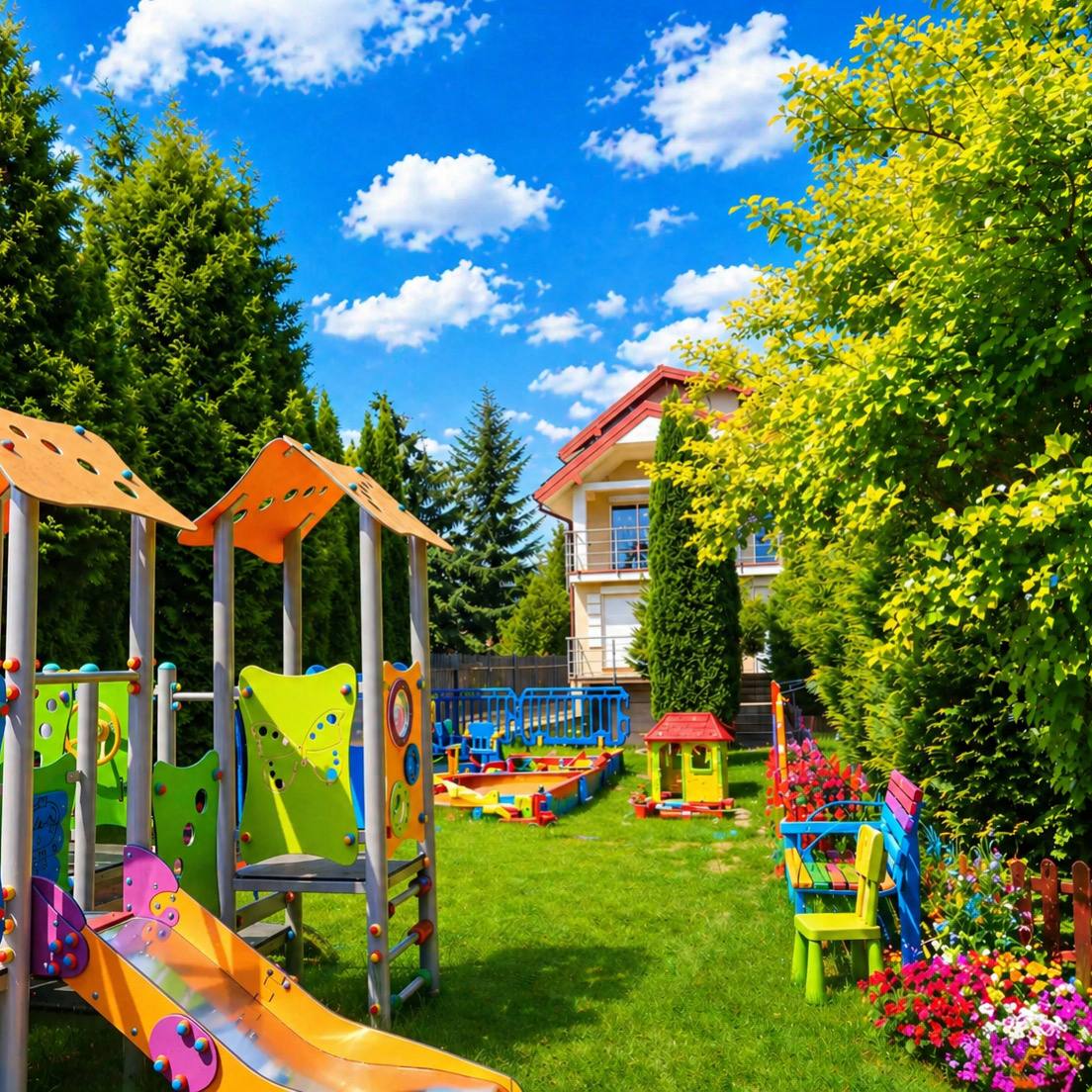
The preschool education system also plays a big role. Modern kindergartens in Poland with SI are increasingly equipping special sensory rooms, using balancing tracks, swings, tactile panels and exercises to develop coordination.
This approach helps not only children with severe difficulties, but also all students to better develop attention, self-regulation, coordination, and emotional stability.
The role of the pediatrician and educator in early detection of dysfunction
In Poland, it is the pediatrician who is often the first specialist to notice possible difficulties with sensory processing.
If, during an examination or conversation with the parents, the doctor draws attention to unusual reactions in the child, he may recommend consultation with an occupational therapist, psychologist, or sensory integration specialist.
Kindergarten teachers play an equally important role. They are the ones who observe every day how a child interacts with peers, reacts to noise, performs motor tasks, concentrates during classes, or adapts to new situations.
Such a comprehensive approach allows for much earlier detection of sensory integration disorders , assessment of their impact on the child’s development, and timely initiation of support if necessary. Early intervention is considered one of the key factors for successful correction and harmonious development of the baby.
How to understand that a child needs help: a checklist of “red flags” for parents
Each child develops at their own pace, so individual behavioral patterns may not always indicate a problem. However, if certain behaviors recur regularly, interfere with daily life, or cause difficulties in communication and learning, it is worth consulting a specialist.
Below is a sensory integration checklist that will help parents pay attention to possible signals.
of a disorder in preschoolers may include:
- the child is afraid of noise , covers his ears in crowded places or when household appliances are working;
- cannot tolerate bright light or certain odors;
- refuses to wear certain clothes because of seams, tags, or fabric texture;
- overreacts to touches or, conversely, almost does not notice them;
- often stumbles, looks clumsy, has difficulty coordinating movements;
- constantly jumps, runs, spins, or seeks strong physical sensations;
- quickly gets tired of a large number of people or new experiences;
- has difficulty concentrating;
- takes a long time to adapt to new conditions or reacts sharply to changes in the usual routine.
A single symptom does not necessarily mean that a disorder exists. What is important is the combination of several manifestations, their regularity, and their impact on the child’s life.
When to see an SI therapist?
Parents often worry that they are seeking help too early. In fact, modern experts hold a different opinion: it is better to undergo a consultation and make sure that development is age-appropriate than to waste precious time.
When to see an SI therapist?
- if unusual reactions last for several months;
- if they prevent the child from playing, learning or communicating;
- if caregivers also notice difficulties with behavior or concentration;
- if the sensory features cause severe stress for the child or their family.
A sensory integration therapist conducts a comprehensive assessment, identifies the child’s strengths, and, if necessary, creates an individualized program of activities. The earlier the support begins, the easier it is for the child to adapt to the environment and develop confidently.
Conclusion: Early diagnosis is the key to a child’s harmonious development.
Sensory development is the foundation on which learning, speech, social skills, emotional stability and self-confidence are built. That is why attentive parents and timely consultation with specialists help to notice difficulties in time and support the child before they begin to affect his daily life.
In Poland, this approach has long become the norm. Pediatricians, educators, and therapists work together to ensure that every child receives the necessary help as early as possible. It is early diagnosis that gives the best results and helps to reveal the child’s potential.
If you are looking for a private kindergarten or nursery in Warsaw, pay attention not only to modern premises or an educational program. It is important that the institution supports the comprehensive development of children, cooperates with specialists and creates an environment in which each child feels safe, confident and can develop harmoniously according to their individual needs.